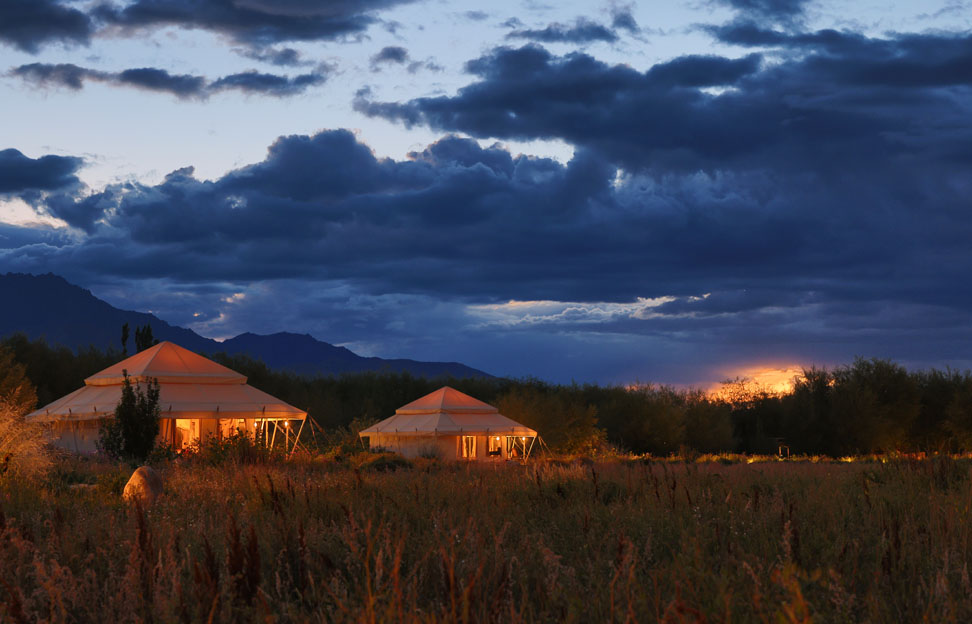
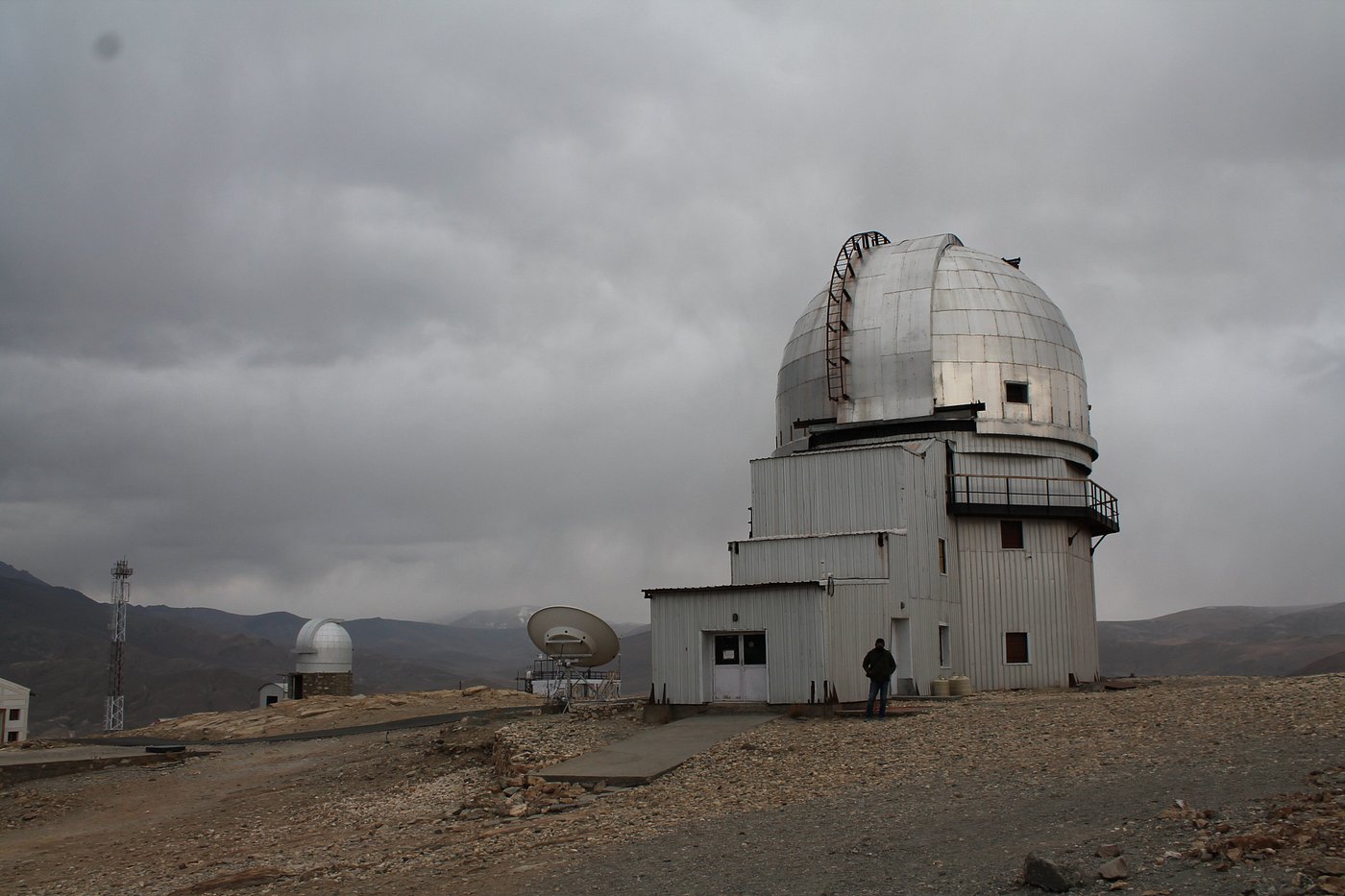
Hanle is a small village in a wide, high valley close to the Tibetan border. There is very little here: a 17th-century monastery on a rocky hill, a few clusters of houses, wetlands where black-necked cranes come to breed, and a long ridge topped by the domes of the Indian Astronomical Observatory. And above it, one of the clearest, driest and darkest night skies on Earth.
Why astronomers chose Hanle
Telescopes need three things: altitude, dry air and darkness. Hanle has all three. The Indian Institute of Astrophysics opened its observatory on Mount Saraswati here, and the Himalayan Chandra Telescope has been working since 2001. The valley has very little cloud through much of the year and almost no light pollution.
In 2022 the area around Hanle was declared India's first Dark Sky Reserve. The goal is to protect the night sky from light pollution while helping the local community benefit from astro-tourism. Homes and lodges use shielded, low lights, and vehicles are asked to dim their headlights at night.
“On a moonless night in Hanle, the Milky Way is bright enough to cast a faint shadow.”
The astronomy ambassadors
One of the best parts of the reserve is its people. Local villagers — many of them women — have been trained as astronomy ambassadors, with telescopes of their own. They guide visitors through the constellations, show them planets and star clusters, and share the stories the Changpa herders tell about the sky.
Altitude: do it right
Hanle is high, and altitude must be respected. We always build in at least two to three nights in Leh (about 3,500 m) before going higher, and include lower-altitude stops on the way. Nights in Hanle are below freezing for much of the year — even in summer — so heated rooms, down jackets and hot drinks matter.
Permits are required to visit this border region. We arrange them for every guest as part of the journey.
What you'll see
Plan your stay around the new moon for the darkest skies. Beyond the Milky Way, expect clear views of planets, star clusters and nebulae through a telescope, and meteors on most nights. By day, the Changthang plateau has wildlife of its own: kiang (Tibetan wild ass), marmots, foxes and, with luck, the rare Pallas's cat.
- Spend two to three nights acclimatising in Leh first.
- Bring a head torch with a red-light mode to protect your night vision.
- Choose dates close to the new moon.
- Stay at least two nights in case of cloud.
The Field Notes · Newsletter
New stories from the wild, straight to your inbox.
Only new Journal stories — no spam, unsubscribe any time.